
Disclosure: As an Amazon Associate I earn from qualifying purchases. How this site works
Custom Phone Case
A custom phone case puts your photo, artwork or name on something you use every day. The result depends on three choices: the type of case (how much protection and bulk), the material and print method (how the image looks and lasts), and the design file you upload. This guide explains each so the case you order looks as good in your hand as it did on screen.
- Plain-language buying checklist
- Links to current Amazon listings
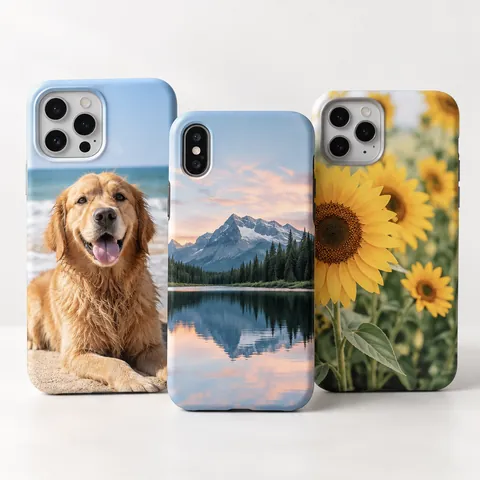 Custom photo cases
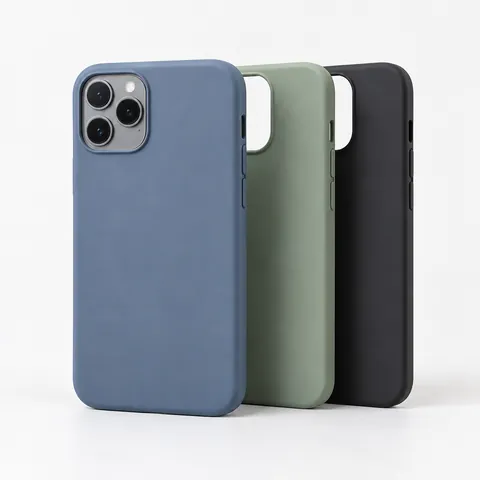 Slim cases
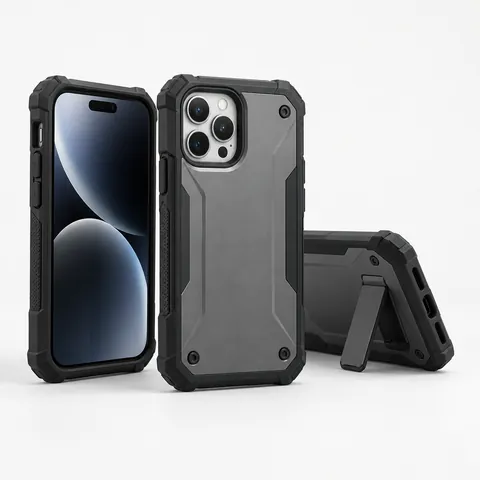 Tough cases
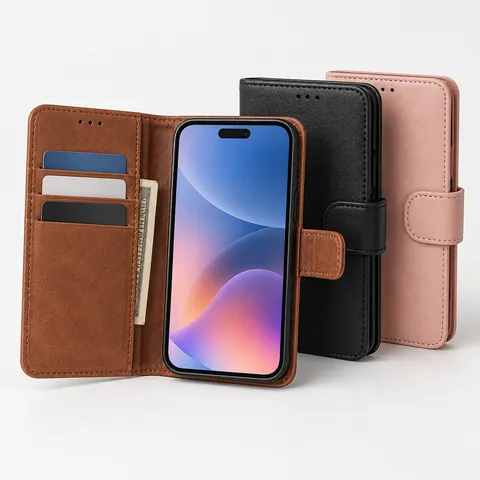 Wallet cases
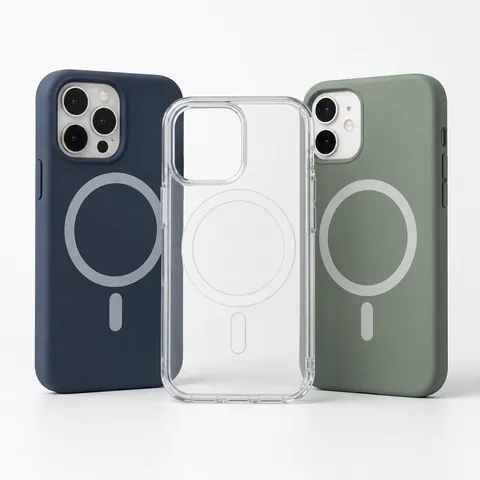 Magnetic-compatible cases
Case types
| Type | Protection | Notes |
|---|---|---|
| Slim / snap-on | Scratches and light knocks | Thin, full-wrap prints on some models |
| Tough / dual-layer | Better drop protection | Rubber inner layer plus hard shell; bulkier |
| Wallet / folio | Screen covered | Card slots; print on the cover |
| Clear with printed design | Varies | Shows the phone colour through unprinted areas |
| MagSafe / magnetic-compatible | Varies | Built-in magnet ring for magnetic chargers and accessories |
| Grip / textured | Varies | Easier to hold; print area may be smaller |
Manufacturers often describe drop protection by the test they used; test methods and heights differ, so compare claims carefully. Browse slim cases, tough cases and wallet cases.
Materials
| Material | Feel and use |
|---|---|
| TPU (flexible plastic) | Shock-absorbing, easy to fit; clear TPU can yellow over time |
| Polycarbonate (hard plastic) | Rigid, crisp print surface |
| Silicone | Soft and grippy; usually printed with simpler designs |
| Leather or vegan leather | Premium look; often engraved or embossed rather than printed |
| Bamboo or wood | Engraved designs; natural grain shows through |
Print methods
| Method | How it works | Result |
|---|---|---|
| UV printing | Ink cured instantly by UV light on the case surface | Vivid colours; can be slightly raised; very common |
| Sublimation | Dye transferred with heat into a coated surface | Smooth, glossy, can wrap around edges on compatible cases |
| Laser engraving | Surface etched | Monochrome, durable; best on wood or leather |
| IMD (in-mould decoration) | Printed film moulded into the case | Very durable; mostly for mass-produced designs |
Ask the seller which method they use and whether the print covers the sides. See custom photo cases.
Preparing your design
- Choose the exact phone model — cases differ even between standard and Pro/Plus versions of the same series.
- Use a high-resolution image: aim for about 300 pixels per inch at print size, often at least 1,500 × 3,000 pixels for a full back.
- Keep faces and text away from the camera cut-out and edges; use the seller’s template or safe area.
- Use RGB images from your phone or camera; the printer converts colours.
- Expect prints to look slightly darker than a bright phone screen; lift the brightness a little if the photo is dark.
- Check spelling on names and dates before ordering.
Photos from modern phones are usually large enough. Images downloaded from social media are often compressed and too small for sharp prints.
Worked example: a photo case as a gift
Someone wants a case with a family beach photo for a parent’s phone. They confirm the exact model in the phone’s settings (not just the series name), crop the original 4,000 × 3,000 pixel photo to a tall rectangle so faces sit in the lower two-thirds away from the camera bump, and choose a slim polycarbonate case with UV printing on a matte finish to reduce glare. Because the parent uses a magnetic charger, they pick a magnetic-compatible version, and they add the family name in a small font near the bottom edge inside the safe area.
Compatibility checks
- Exact model and generation.
- Camera cut-out shape — camera layouts change between models.
- Button covers or openings.
- Magnetic charging compatibility if you use magnetic accessories.
- Wireless charging: thick wallet cases or metal plates can block it.
- Screen protector fit: raised edges should clear your protector.
Care
- Wipe with a soft cloth and mild soap; avoid alcohol on printed surfaces unless the seller says it’s safe.
- Don’t leave the phone in hot cars — heat can warp cases and fade prints.
- Remove the case now and then to clean trapped grit that can scratch the phone.
- Clear cases may yellow over time with UV exposure.
Who this guide is for
Anyone ordering a custom or personalised phone case for themselves or as a gift. We explain types, materials, printing and design preparation; we do not run hands-on tests. Check each product’s compatibility, print method, materials and returns policy on the merchant page — personalised items often can’t be returned.
Frequently asked questions
What resolution should my photo be for a phone case?
Aim for about 300 pixels per inch at print size — often at least 1,500 × 3,000 pixels.
What is the difference between UV printing and sublimation?
UV printing cures ink on the surface; sublimation dyes a coated surface with heat, often allowing edge-to-edge prints.
Will a custom case work with wireless charging?
Usually, if it’s not too thick and has no metal parts; check the listing.
Can I return a personalised case?
Often not unless faulty — check the policy before ordering.
Which case gives the most protection?
Dual-layer tough cases generally protect more than slim cases; compare the seller’s stated tests.
Does this site test phone cases?
No. We explain types and specifications and do not run hands-on tests. Check each merchant’s page for current details.
Disclosure: As an Amazon Associate I earn from qualifying purchases. This site may earn a commission when you buy through its links, at no extra cost to you. Product details come from public manufacturer information; always check the merchant page for current specifications and prices. We have not hands-on tested the products described here.