
Disclosure: As an Amazon Associate I earn from qualifying purchases. How this site works
Case Materials
Material affects feel, protection and how the print looks.
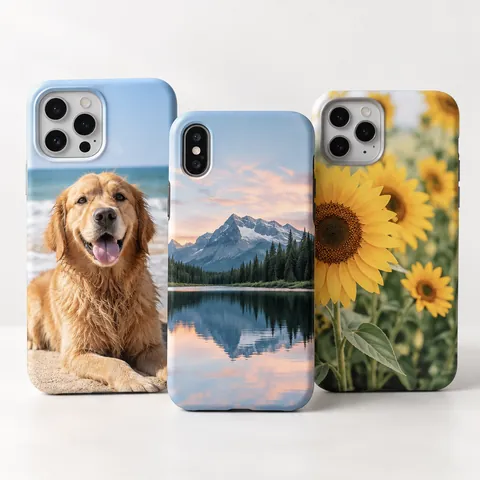 Custom photo cases
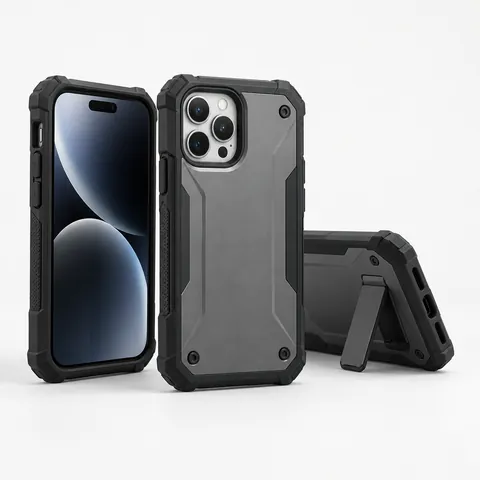 Tough cases
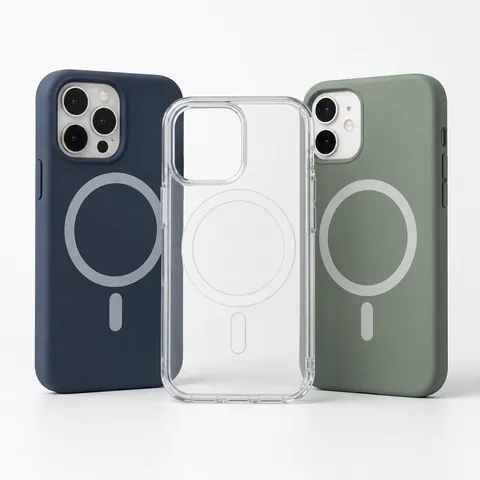 Magnetic-compatible cases
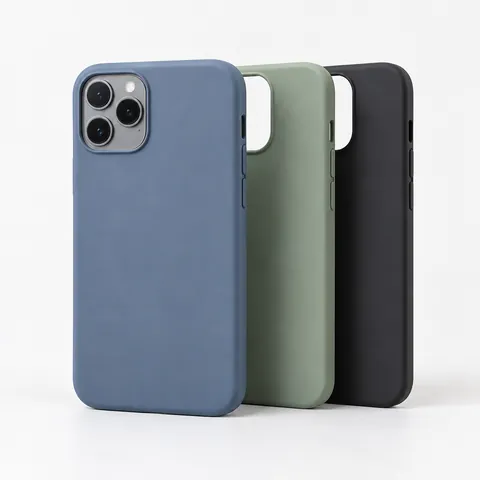 Slim cases
Quick comparison
| Material | Protection | |
|---|---|---|
| TPU | Good shock absorption | Good |
| Polycarbonate | Scratch-resistant shell | Crisp |
| Silicone | Grippy | Limited |
| Leather | Light | Engraved / embossed |
Tip
Dual-layer cases combine a soft inner layer with a hard printed shell.
Browse tough cases and magnetic-compatible cases.
Which phone case material should you choose?
Start with how you use your phone, not just how the case looks. The same photo or design can feel very different on a flexible TPU case, a hard polycarbonate shell, a soft silicone case or a leather case. If you drop your phone often, grip and corner cushioning matter more than a glossy finish. If the case is mostly for decoration, the printed surface and edge coverage may matter more.
| Your priority | Best material direction | What to check before buying |
|---|---|---|
| Everyday drop protection | TPU or a dual-layer TPU and polycarbonate case | Raised screen lip, raised camera ring, covered corners and button protection |
| Sharp custom artwork | Polycarbonate outer shell or a hard printed back | Print area, finish type and whether the sides are printed or plain |
| Pocket-friendly slim feel | Thin TPU or slim polycarbonate | Case thickness, camera bump coverage and whether the case is easy to remove |
| Extra grip | Silicone or textured TPU | Lint pickup, pocket drag and whether the surface feels too tacky |
| Professional look | Leather or leather-style finish | Whether it is real leather, vegan leather or a coated material, and how the design is applied |
For most buyers, TPU is the safest middle choice because it bends enough to install easily and helps absorb minor bumps. Polycarbonate is better when you want a rigid back with a crisp printed design, but the corners need a softer liner or careful shaping to handle impacts well. Silicone feels secure in the hand, though it can be bulkier and may pull at pocket fabric. Leather is more about feel and appearance than heavy impact protection.
If protection is the main goal, look at tough phone cases rather than choosing by material name alone. A well-built case usually combines material, shape and coverage instead of relying on one material to do everything.
How material affects custom printing and photo quality
A custom phone case is only as good as the surface it is printed on. Hard, smooth materials usually show fine lines and small text more clearly. Softer materials can still look good, but the design may have less crisp detail, especially around edges, curves and flexible areas.
- Polycarbonate backs are commonly used for detailed photos, patterns, logos and text because the surface is rigid and smooth.
- TPU can work well for simple artwork, bold colors and designs that do not rely on tiny details.
- Silicone is harder to print cleanly on, so many silicone-style cases have limited artwork options or use inserts, coatings or simple color treatments.
- Leather usually suits initials, monograms, engraving, embossing or subtle designs rather than full-color photo printing.
- Clear TPU or clear hybrid cases can show off the phone color, but printed designs may look different depending on the phone underneath.
Before ordering a custom case, check the preview carefully at full size. Make sure important faces, names or logos are not too close to the camera opening, edge curve or button cutouts. If the seller provides a safe area or template, keep key details inside it. Bleed areas are often trimmed or wrapped, so they should contain background color or nonessential pattern rather than important content.
Use the highest-quality image you have. Screenshots, heavily compressed social media images and photos saved from messaging apps can look soft when printed. A bright, simple image with clear contrast usually works better than a dark photo with many small details. If you want a personal design made for gifting, custom photo cases are best when the image is centered, well lit and not cropped too tightly.
What to check for protection besides material
Material matters, but design details often decide how protective a case feels in daily use. A thin hard shell and a rugged hybrid case may both list polycarbonate, yet they do not protect the same way. Read the product description for construction details and look closely at product photos from the front, back and side.
- Check the screen lip. The case should rise slightly above the screen when the phone is face down, unless you use a thick screen protector that changes the fit.
- Check the camera lip. The camera ring should sit proud of the lenses so the lenses do not rest directly on a table.
- Look at the corners. Reinforced or air-cushioned corners are useful because phones often land on an edge or corner.
- Check button coverage. Covered buttons help keep dust out and can add impact protection, but they should not feel stiff.
- Look for port access. The charging port opening should fit the cable you use, especially if you use a thicker third-party cable.
- Consider texture. A case that is easier to hold may prevent drops better than a smoother case with the same material label.
- Confirm the exact phone model. A case for a similar model may fit poorly around the camera, buttons or speaker openings.
Also think about screen protectors and lens protectors. Some bulky camera lens protectors can interfere with a tight camera cutout. Some edge-to-edge screen protectors can lift if the case presses too hard against the glass. If you already use these accessories, choose a case that says it is compatible with common screen protectors or has enough clearance around the edges.
Magnetic accessories add another layer of compatibility. If you use a magnetic charger, car mount, wallet or stand, choose a case with built-in compatible magnets rather than assuming a thin case will work well. For that use, compare magnetic-compatible cases and check that the product page lists your phone model.
Feel, bulk and everyday trade-offs
The best case is one you will keep on the phone. A case that feels too sticky, too bulky or too slippery may end up in a drawer even if it looks protective. Think about where the phone spends most of its day: jeans pocket, purse, backpack, car mount, desk stand or gym bag.
- Slim hard cases slide into pockets easily, but they may offer less corner cushioning.
- Soft TPU cases are easier to install and remove, but clear versions can show discoloration over time.
- Silicone gives strong grip on smooth surfaces, but it may collect lint and resist sliding into tight pockets.
- Leather can develop wear marks and a softer feel with use, which some buyers like and others do not.
- Rugged dual-layer cases add bulk, but the added thickness can make the phone easier to hold for people with larger hands.
Weight and thickness are not just comfort issues. They can affect wireless charging, car mounts and how steady the phone feels when typing one-handed. If you use a charging pad, avoid cases with thick metal plates or bulky wallet flaps unless the product specifically supports wireless charging. If you use a bike mount or car clamp, check the mounted width with the case installed.
Grip is personal. A smooth matte case may feel secure to one person and slippery to another. If you have dry hands, very smooth polycarbonate may not feel ideal. If you carry the phone in a linty pocket, very tacky silicone may annoy you. Textured TPU can be a good compromise when you want more hold without the pocket drag of softer silicone.
Care tips by phone case material
Clean the case in a way that matches the material. Harsh cleaners can dull printed artwork, dry out leather or damage coatings. When in doubt, remove the case from the phone first, use a lightly damp soft cloth and let the case dry fully before reinstalling it.
| Material | Basic cleaning method | Avoid |
|---|---|---|
| TPU | Wipe with mild soap and water, then rinse the cloth and wipe again | Bleach, abrasive pads and long soaking |
| Polycarbonate | Use a microfiber cloth and mild cleaner on the outside surface | Scrubbing printed areas or using solvents |
| Silicone | Wash gently with mild soap and water, then air dry completely | Oily cleaners that leave residue |
| Leather | Wipe with a dry or slightly damp cloth and use leather-safe care only if recommended | Soaking, alcohol and household disinfectant sprays |
Remove the case occasionally to clear out grit. Small particles trapped between the phone and case can rub against the finish. This is especially important after beach trips, yard work, dusty jobs or carrying the phone loose in a bag with keys and coins.
Replace a case when it no longer fits tightly, has cracked corners, loose layers or a stretched edge that no longer protects the screen. A worn case may still look fine from the back but fail to keep the phone seated during a drop.
Frequently asked questions
Is TPU or polycarbonate better for a phone case?
TPU is better if you want flexibility, easier installation and shock absorption around the edges. Polycarbonate is better for a hard, scratch-resistant shell and crisp printed designs. Many protective cases use both because the materials solve different problems.
What case material is best for custom photo printing?
A hard polycarbonate back or a hybrid case with a hard printed panel is usually the best choice for detailed photos. Smooth rigid surfaces tend to show sharper lines and cleaner color than very soft materials. Keep faces and text away from camera cutouts and curved edges.
Do clear TPU cases turn yellow?
Clear TPU can discolor with time from light, heat, skin oils and normal handling. The timing varies by formula and use, so there is no fixed lifespan to expect. If yellowing bothers you, consider a tinted, frosted or opaque case instead of fully clear TPU.
Are leather phone cases protective?
Leather cases can protect against light scratches and everyday handling, but they are not usually the best choice for heavy drop protection by themselves. Some leather cases include a hard inner shell or TPU bumper, which improves structure and edge coverage. Check the construction rather than relying on the leather label.
Will a thicker case stop wireless charging?
A thicker case can reduce charging reliability, especially if it has metal parts, a wallet flap or a very bulky back. Many normal cases still work with wireless charging, but compatibility depends on the phone, charger and case design. If wireless charging matters, look for the feature in the product description.
Disclosure: As an Amazon Associate I earn from qualifying purchases. This site may earn a commission when you buy through its links, at no extra cost to you. Product details come from public manufacturer information; always check the merchant page for current specifications and prices. We have not hands-on tested the products described here.