
Disclosure: As an Amazon Associate I earn from qualifying purchases. How this site works
Where to Buy a Custom Phone Case
Each category below links to current listings on Amazon (opens in a new tab). Use this checklist to compare custom phone cases before you buy.
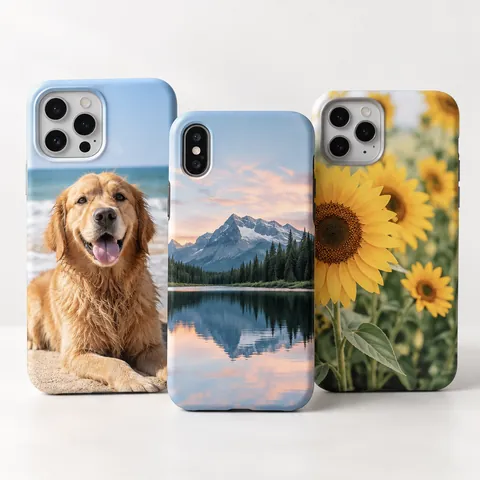 Custom photo cases
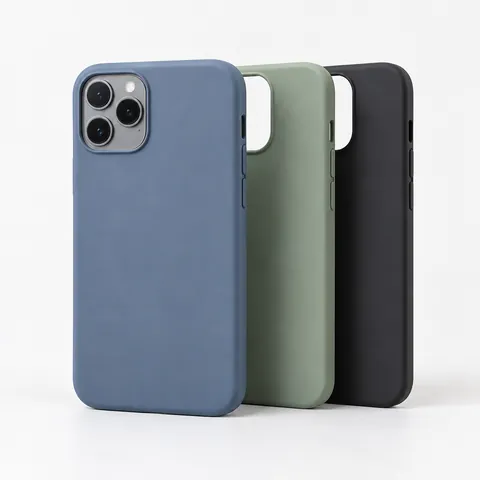 Slim cases
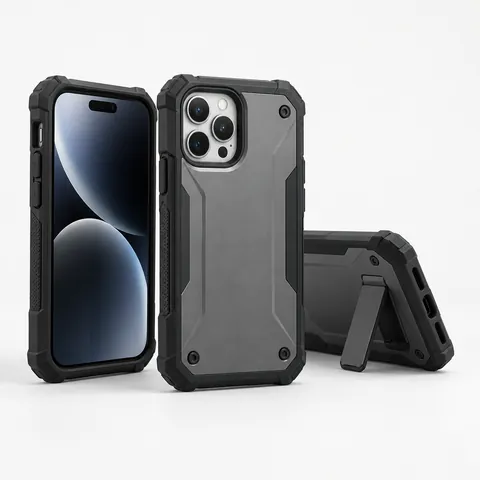 Tough cases
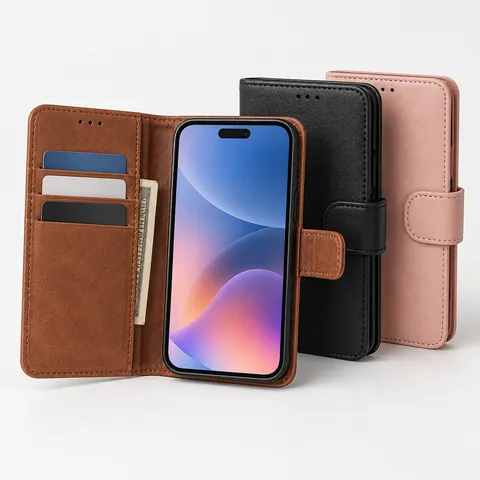 Wallet cases
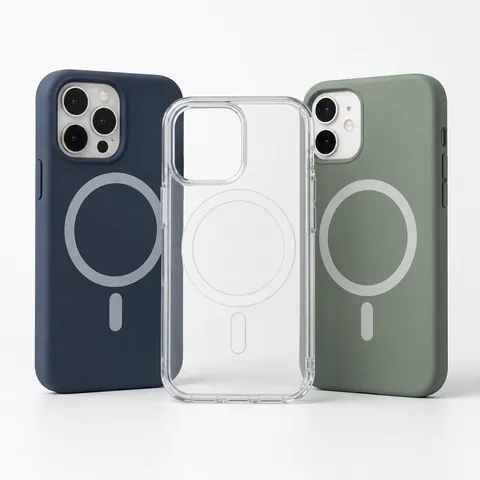 Magnetic-compatible cases
Before you buy
- Exact phone model and generation.
- Print method and whether edges are printed.
- Material and case type.
- Design template or preview with cut-outs.
- Returns policy for personalised items.
Categories referenced on this site
In store
Hold sample cases to judge grip and thickness, and look at printed samples under normal light.
Should you buy a custom phone case online or in a store?
Buying online usually gives you more design choices, more case styles, and easier access to templates for current and older phone models. It is also the better route if you want a photo, logo, name, collage, or design that needs careful positioning around the camera, buttons, and charging area. The trade-off is that you must judge color, texture, and thickness from product photos and descriptions.
Buying in a store is useful when fit and feel matter more than design variety. You can feel the grip, check how bulky a similar case is, and see whether the lip around the screen and camera looks high enough for everyday use. Some stores can print while you wait, but selection may be limited to popular phone models and simpler designs.
A practical approach is to choose the case type in person if you are unsure, then order the custom version online once you know whether you prefer slim, tough, wallet, or magnetic-compatible construction.
| Best buying route | Good for | Watch out for |
|---|---|---|
| Online marketplace | Large selection, many phone models, photo uploads, multiple case types | Read the personalization steps carefully before ordering |
| Print-on-demand seller | More design tools, templates, and custom art options | Production and shipping time can be longer than ready-made cases |
| Local kiosk or shop | Seeing sample materials and getting help with design placement | Fewer case models and fewer finish choices |
| Specialty accessory store | Comparing grip, thickness, and button feel | Custom printing may not be available for every phone |
What type of custom phone case should you choose?
Start with how you use the phone, not with the artwork. A design that looks good on a thin glossy shell may not be the best choice if you regularly drop your phone, carry cards, or use magnetic mounts and chargers. The case structure affects protection, weight, pocket feel, and how much of the design will be visible after daily wear.
- Choose a custom photo case when the image is the main reason for buying. Look for a clear preview, strong crop controls, and a layout that keeps faces, text, and important details away from camera cut-outs and edges.
- Choose a slim custom case if you want the least added bulk. Slim cases are easier to pocket, but they usually offer less impact protection than a layered case.
- Choose a tough custom case if drops are your main concern. These cases tend to be thicker and may use multiple layers, raised edges, or reinforced corners.
- Choose a wallet case if you want to carry cards with your phone. Check how many cards it holds, whether it has a closure, and whether the phone must be removed for wireless charging.
- Choose a magnetic-compatible case if you use magnetic chargers, stands, grips, or car mounts. Confirm compatibility in the listing instead of assuming every custom case will work with magnets.
Also think about the surface finish. Glossy finishes can make colors look vivid but may show fingerprints and glare. Matte finishes can look more subtle and may hide light smudges better, though very fine details can appear less sharp depending on the print process. Clear or transparent custom cases can look clean on a new phone, but any printed design will interact with the color of the phone underneath.
How do you check a custom case listing before ordering?
Personalized cases are often harder to return than standard cases, so the listing deserves a slower review. Do not rely on the main product image alone. Open the personalization tool, preview the design, and read the product details that describe the case material, print area, finish, and phone-model options.
- Match the exact phone name, screen size, and generation. A case for a similar-looking phone may block the camera, mute switch, speaker, or charging port.
- Check whether the design prints only on the back or wraps onto the sides. Edge printing can look more finished, but important artwork can distort around corners.
- Use a high-resolution image when possible. Avoid screenshots, tiny downloads, and heavily compressed images, especially for full-back photo cases.
- Keep text large and away from cut-outs. Small lettering near the camera island, edges, or fold area may be hard to read once printed.
- Look for a live preview or proof. If there is no preview, read how the seller handles cropping and whether you can request adjustments.
- Read the production and delivery estimates. Custom cases often require extra time before shipping, even if the marketplace page shows fast delivery options for other items.
- Check the returns and cancellation terms before checkout. Many sellers treat personalized items differently from non-custom accessories.
If the listing offers multiple case types on the same page, verify the selected option before you upload the design and again before checkout. It is easy to customize a slim version and accidentally order a different size, color, or protection level if the options reset in the cart.
What design choices make a custom phone case look better?
The best custom cases are usually simple enough to survive cropping, camera cut-outs, and daily handling. A phone case is a small, curved object, not a flat poster. Designs with one clear focal point tend to work better than busy images with important details near every edge.
- Use portrait photos with the subject centered and enough background around the head and shoulders.
- Avoid placing faces, names, dates, or QR codes near the camera opening, button side, bottom edge, or corners.
- For collages, use fewer larger photos instead of many small photos that may print too tiny to appreciate.
- Choose high contrast for text. Light text on a pale photo or dark text on a shadowed background can disappear after printing.
- Preview the case at a small size. If it is not readable in the preview, it may not be readable on the finished case.
- Consider how your hand will cover the design. A central image may be partly hidden during use, while a pattern or border can still look intentional.
Color can shift between your screen and the printed case because screens emit light and printed surfaces reflect light. If color accuracy matters, avoid relying on a heavily filtered photo. Use a bright, clear image and check it on more than one screen if you can. For logos or artwork with exact colors, look for sellers that provide design guidance or proofs before printing.
Where can you buy different custom phone case styles?
Most buyers will find the broadest selection online, but the right place depends on what you need the case to do. If protection matters most, shop by case construction first. If the artwork matters most, shop by upload tool and preview quality first. If you need it quickly, check production time separately from shipping speed.
| Case style | Where to focus your search | Key details to confirm |
|---|---|---|
| Custom photo case | Marketplace listings or print shops with image upload tools | Crop preview, print area, finish, and whether sides are printed |
| Slim custom case | Accessory sellers with model-specific options | Grip, button coverage, raised screen edge, and material |
| Tough custom case | Listings that describe layered protection or reinforced corners | Added thickness, camera lip, and whether the design is on the outer shell |
| Wallet custom case | Sellers that show interior photos | Card capacity, closure type, stand function, and wireless charging limits |
| Magnetic-compatible custom case | Listings that clearly state magnetic compatibility | Magnet alignment, charger compatibility, and whether the case still protects the camera |
When comparing sellers, give more weight to clear product photos, detailed option menus, and straightforward customization steps than to decorative listing language. A good listing should make it easy to confirm the phone model, case type, material, design placement, and personalization policy before you pay.
Frequently asked questions
Where is the best place to buy a custom phone case?
The best place depends on your priority. Online marketplaces and print-on-demand sellers usually offer the most designs and phone models, while local shops are better for judging thickness and grip before ordering. If the case is a gift or you need a specific delivery date, compare production time as well as shipping time.
Can I return a personalized phone case if I do not like it?
Many sellers limit returns on personalized items unless the case arrives damaged, misprinted, or different from what was ordered. Read the return and cancellation policy before you submit the design. Save screenshots of the preview and order details in case you need to contact the seller.
What photo should I use for a custom phone case?
Use a clear, bright photo with the main subject centered and extra space around the edges. Avoid low-resolution screenshots, dark images, and photos where important details sit near the camera cut-out. If you add text, keep it large and high contrast.
Are custom phone cases protective?
They can be, but protection depends on the case type rather than the fact that it is custom. A slim printed shell may protect against scratches and light bumps, while a tougher layered case may offer better drop protection. Check for raised edges, corner coverage, material, and camera protection in the listing.
Will a custom case work with wireless or magnetic charging?
Some will and some will not. Thick cases, wallet cases, metal plates, or certain printed layers can interfere with charging or magnetic alignment. If you use a magnetic charger, stand, wallet, or car mount, buy a case that specifically says it is magnetic-compatible.
Disclosure: As an Amazon Associate I earn from qualifying purchases. This site may earn a commission when you buy through its links, at no extra cost to you. Product details come from public manufacturer information; always check the merchant page for current specifications and prices. We have not hands-on tested the products described here.